What does courage truly look like?
Is it the absence of fear? Is it standing alone against overwhelming odds? Or is it the willingness to pursue what is right, even when the cost is high?
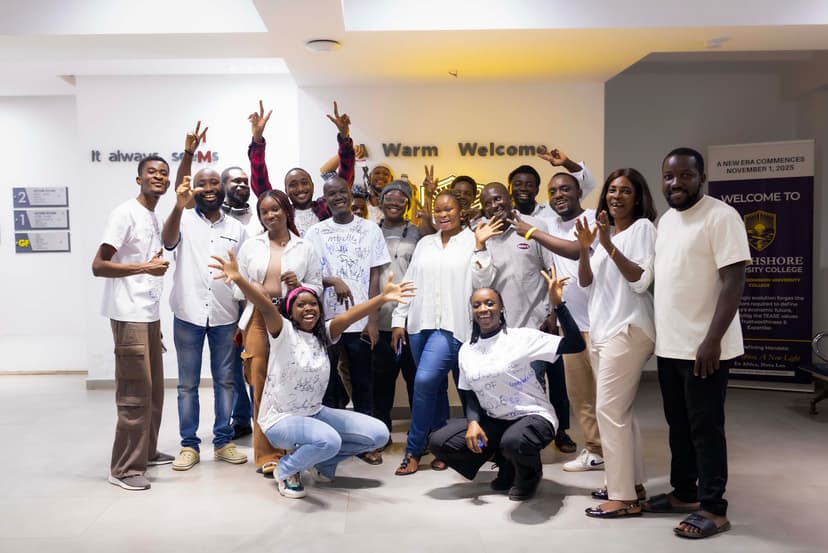
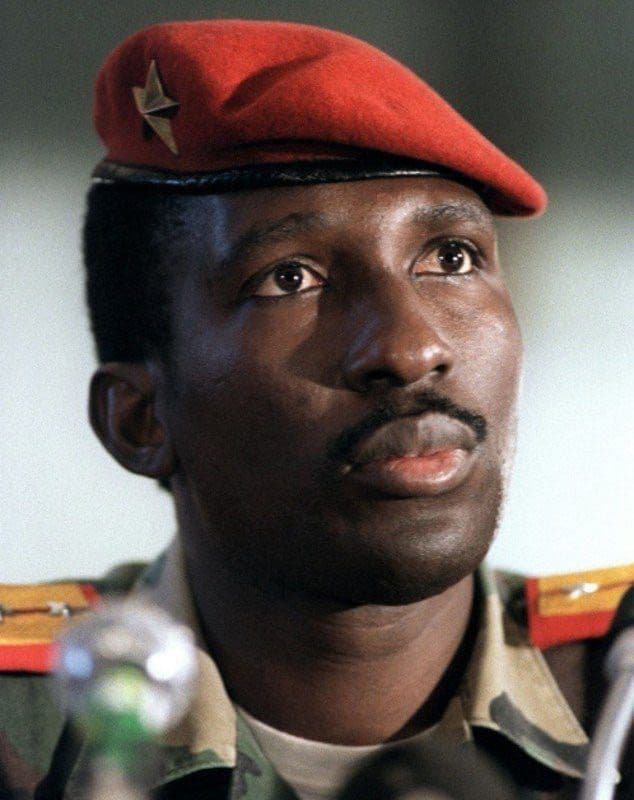
As part of Southshore University College's C³ Framework, which seeks to develop graduates of strong Character, unwavering Courage, and exceptional Competence, we explore the lives of individuals whose actions continue to inspire generations. Few leaders embody courage as profoundly as Thomas Sankara, one of Africa's most remarkable and transformative leaders.
Born in 1949, Thomas Sankara became President of Burkina Faso at the age of 33. At a time when many African nations struggled with poverty, corruption, and dependence on foreign aid, Sankara dared to envision a different future. His courage was not merely displayed in words; it was reflected in bold actions that challenged long-standing systems and expectations.
Sankara believed that true leadership required sacrifice. He reduced his own salary, sold the government's luxury fleet, and encouraged public officials to live modestly. While many leaders sought privilege, Sankara chose service. He understood that courage begins with integrity, the willingness to lead by example.
His vision extended beyond governance. He championed women's rights at a time when such conversations were uncommon across much of the continent. He appointed women to key leadership positions, encouraged girls' education, and spoke openly against practices that limited women's opportunities. Standing for equality was not always popular, but Sankara demonstrated that courage often means advocating for justice even when it challenges tradition.
Perhaps most notably, Sankara encouraged self-reliance. He urged citizens to believe in their own abilities and resources rather than depending entirely on external support. His message was simple yet powerful: a nation must have the courage to believe in itself before others will believe in it.
While his presidency lasted only four years, his impact continues to resonate across Africa and beyond. His life reminds us that courage is not measured by how long one holds power, but by the convictions one upholds and the positive change one inspires.
For students at Southshore University College, Sankara's story offers valuable lessons. Courage is not reserved for presidents, activists, or public figures. It is demonstrated every day when students choose honesty over shortcuts, perseverance over excuses, and leadership over complacency. It is found in speaking up for what is right, embracing innovation, and pursuing excellence despite challenges.
The C³ Framework calls each member of the Southshore community to cultivate courage not as a momentary act, but as a lifelong habit. Thomas Sankara's legacy reminds us that courageous individuals can transform communities, institutions, and nations.
As we continue our journey of learning and growth, may we ask ourselves: What would we accomplish if we had the courage to act on our convictions?
The answer may shape not only our future but also the future of those we serve.